Humanitarian response is strongest when local and national humanitarian actors are able to lead decisions that affect their communities. Yet operational partnerships too often reproduce unequal systems: international organisations retain control over approvals, impose standardised templates, manage risk from headquarters, and treat local organisations primarily as delivery channels. These arrangements may satisfy short-term compliance requirements, but they can limit local ownership, slow decisions and weaken the independence that humanitarian partnerships should build.
Supporting Local Leadership in Humanitarian Logistics – Equitable Partnerships with LNHAs is a practical reflection guide for changing that pattern. It does not offer a single model or a fixed checklist for every context. Instead, it invites international and local actors to examine how power, responsibility, risk and resources are distributed across the partnership—and to identify where ways of working can be simplified, shared or transferred. The central question is straightforward: how can partners work together so that local organisations have meaningful authority, while communities receive assistance that is timely, safe, appropriate and accountable?
What you will find?
The guide offers questions, examples and practical prompts to help partners:
- Reflect on how operational decisions are currently made.
- Identify opportunities for local leadership and greater flexibility.
- Consider when controls add value and when they become bottlenecks.
- Manage risk jointly, rather than shifting it from one organisation to another.
- Strengthen systems that remain useful beyond a single project or funding agreement.
The accompanying PARCEL training principles reinforce this direction. Capacity building should support independence, focus on better outcomes for affected people, and be conducted *with* partners rather than *to* them. Standards matter, but how they are achieved should reflect each organisation’s identity, context and responsibilities.
This guide is an invitation to pause, question familiar practice and explore practical alternatives. It does not provide every answer—and it is not intended to. Its value lies in helping partners begin the right conversations, test better ways of working and move progressively towards relationships built on trust, accountability and shared leadership.
Learning Resources
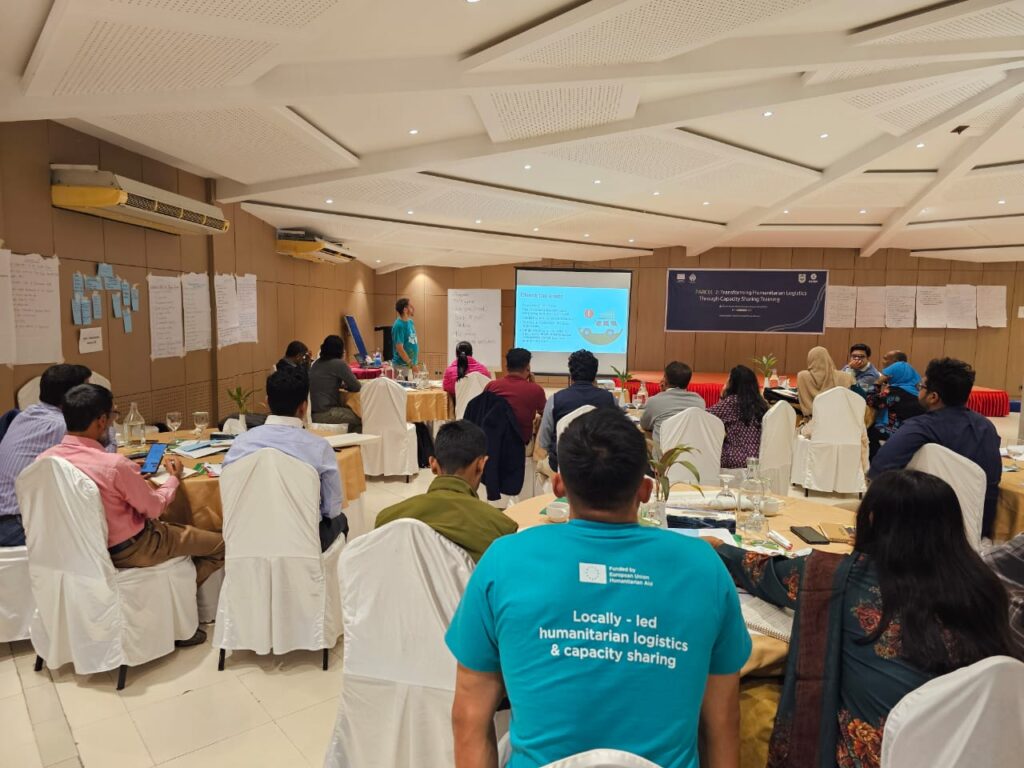
PARCEL Training materials
Practical learning tools that help organisations strengthen humanitarian supply chains.
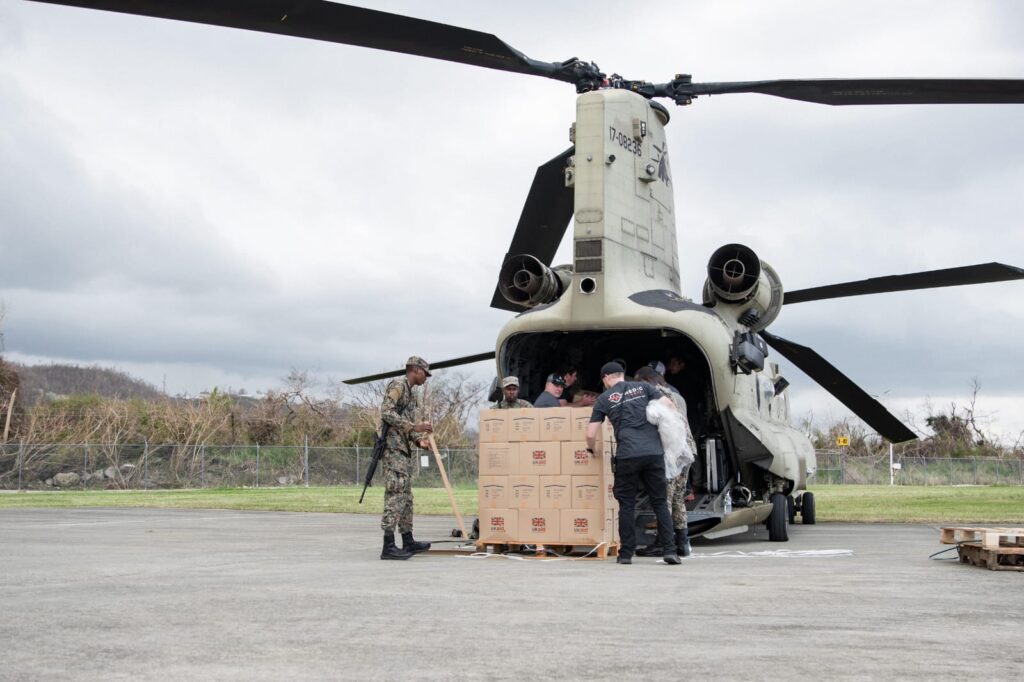
Logistics Standards (ULS)
Bring together good practice and shared principles for humanitarian supply chain and logistics
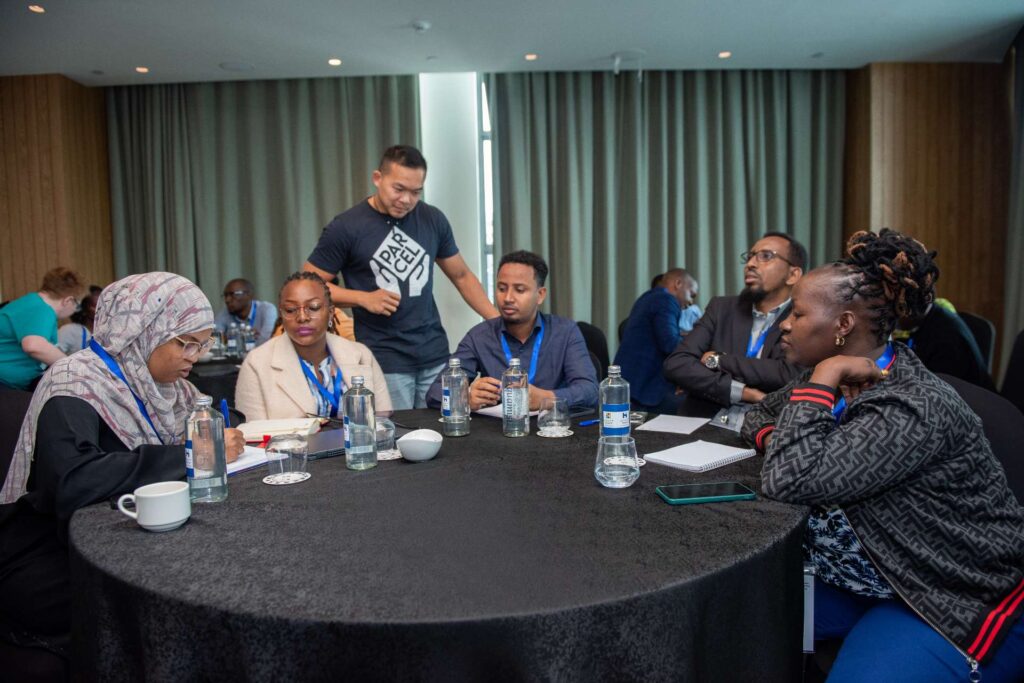
Self-Assessment Tool
Enables organisations to assess their logistics capacity and identify priority areas for improvement.
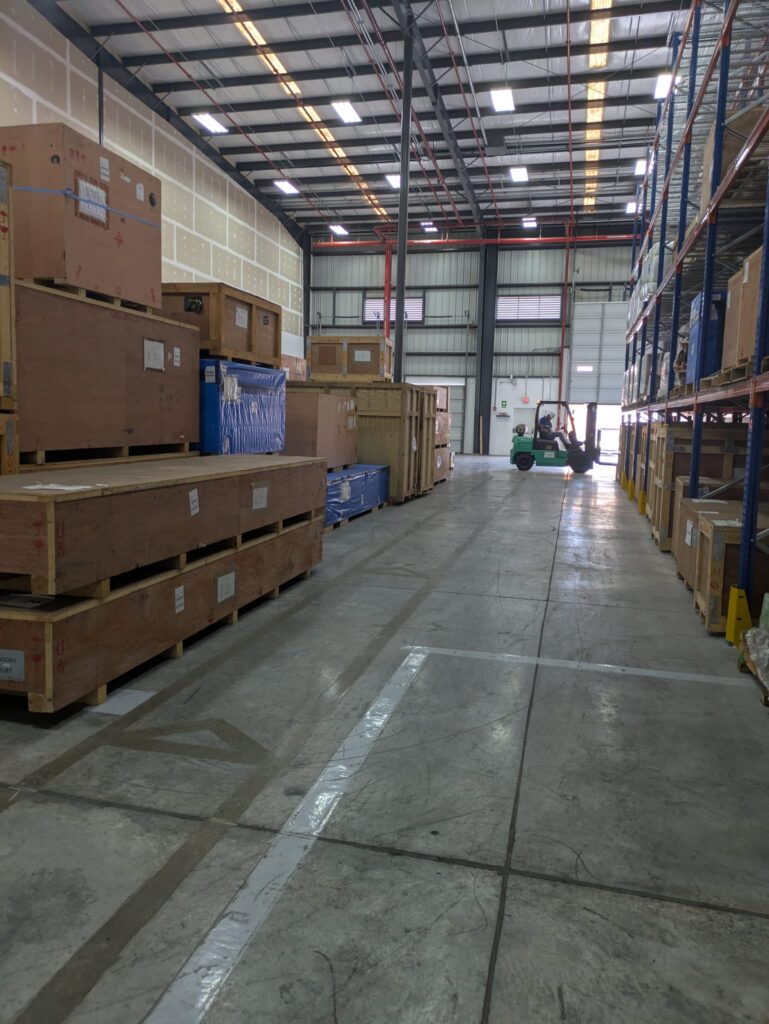
PARCEL Library
A repository of resources, reports, and guides related to logistics, capacity sharing, and local leadership
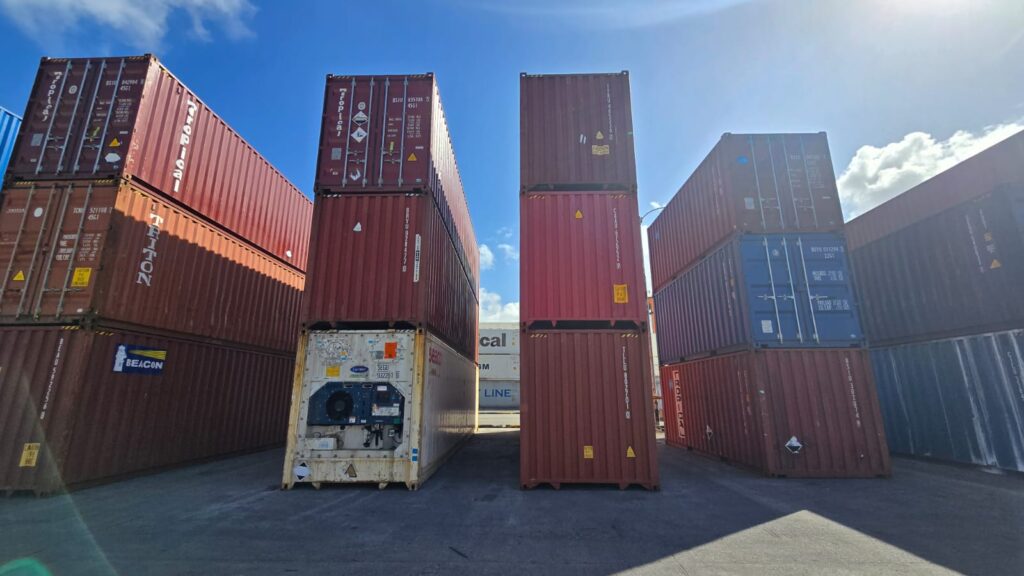
External Resources
A curated collection of tools, platforms, and communities that support logistics practitioners and emergency responders around the world.
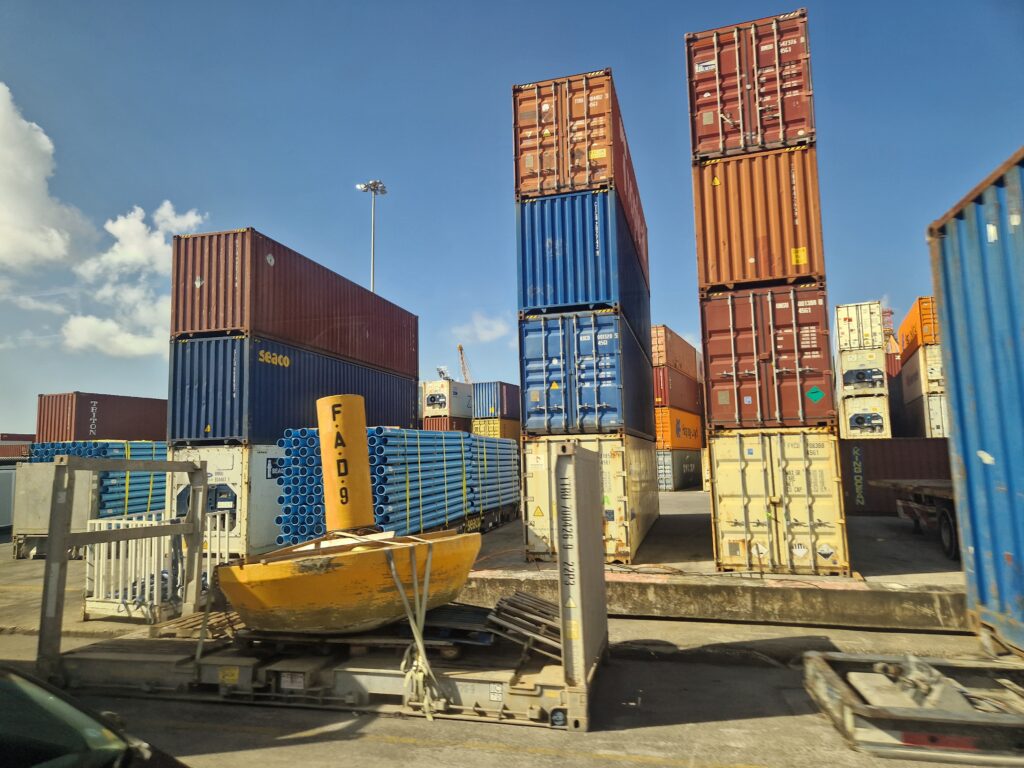
A good practice guide for partnering with LNHAs
Supporting local leadership in humanitarian logistics: Examine how power, responsibility, risk and resources are distributed across the partnership and identify improvements to your ways of working
.
Logistics Toolkit
A toolkit to help local and national humanitarian actors (LNHAs) strengthen their logistics and supply chain management.
.