The PARCEL Logistics Toolkit is a practical, open-source collection of tools, templates, and guidance notes designed to help local and national humanitarian actors (LNHAs) strengthen their logistics and supply chain management. It enables organisations to implement the Universal Logistics Standards (ULS) in day-to-day operations, supporting efficiency, accountability, and compliance without unnecessary complexity.
Purpose
The Toolkit offers a ready-to-use set of adaptable tools for key logistics areas including:
- Procurement and contracting
- Warehousing and storage
- Fleet and transport management
- Distribution and stock control
- Asset management
It empowers organizations to standardize processes, navigate funding requirements equitably, and manage resources more effectively during both emergency and routine operations.
Co-Creation and Collaboration
The Toolkit is being refreshed through Workstream 3 (WS3) under PARCEL 2, in partnership with IRC, Hulo, and NEAR, alongside local partners from Niger, Nigeria, and Burkina Faso. Collaboration is guided by shared principles:
- Open access: All materials remain unbranded, editable, and free to use.
- Localization: Tools are developed with and for LNHAs to reflect diverse operating realities.
- Simplicity: Focused on low-tech, practical formats that can be easily applied without advanced systems.
- Accessibility: Translated and formatted for easy download and adaptation.
Development Approach
The updated Toolkit is being redeveloped following a four-phase process:
- Assessment & Planning – Evaluate current tools and identify gaps.
- Design & Development – Adapt or create new tools with field partners.
- Testing & Validation – Pilot tools with LNHA networks and gather feedback.
- Rollout – Translate, publish, and promote open access through the PARCEL Network.
This process builds on the original PARCEL Toolkit (2014) while aligning with new standards and good practices. Recommendations from the Tools Review and Toolkit Analysis have informed simplification, removal of redundant tools, and improvements in user guidance and consistency.
Key Features
- Unbranded and open-source – organisations can adapt and rebrand tools freely.
- Light and flexible – each tool is easy to use and adaptable to different contexts.
- Cross-linked with the ULS and the PARCEL Self-Assessment Tool.
- Continuously improved through pilot testing and user feedback.
The logistics toolkit will be available for download on March 18th.
PARCEL Learning Resources
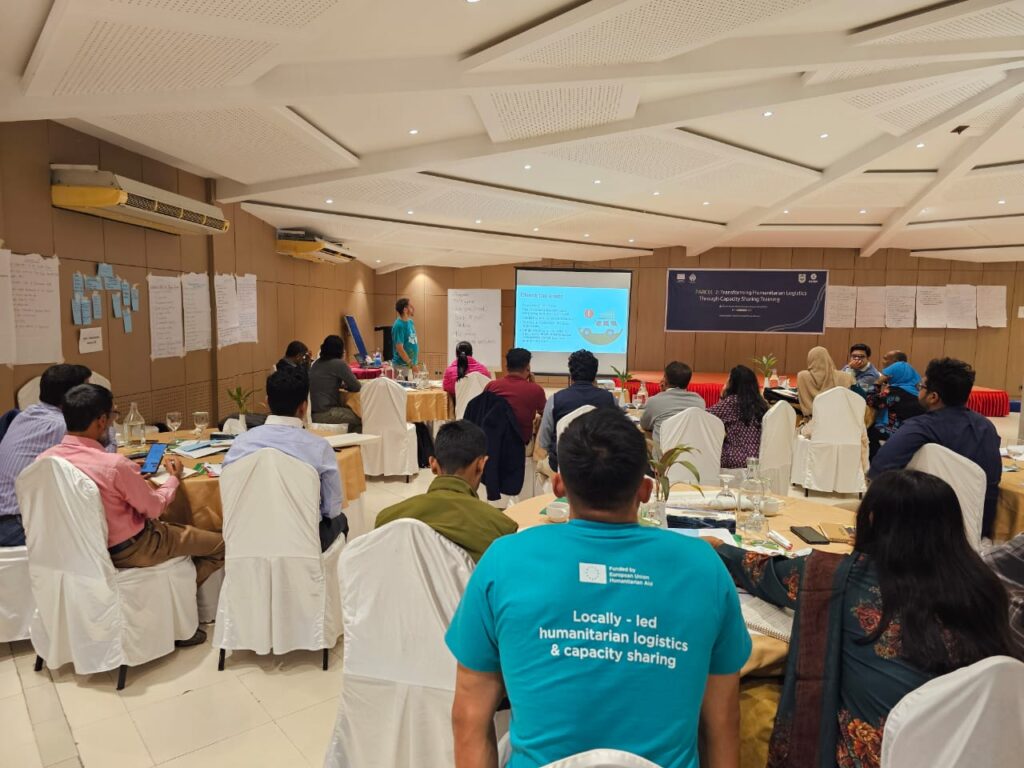
PARCEL Trainings
Practical learning tools that help organisations strengthen humanitarian supply chains.
Logistics Standards (ULS)
Bring together good practice and shared principles for humanitarian supply chain and logistics
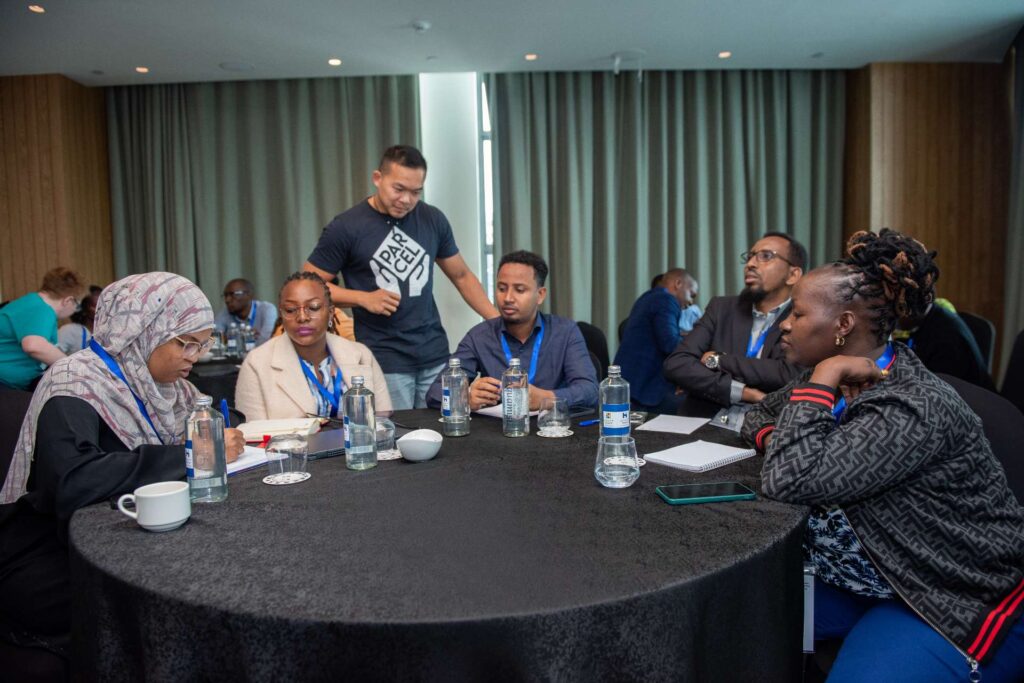
Self-Assessment Tool
Enables organisations to assess their logistics capacity and identify priority areas for improvement.
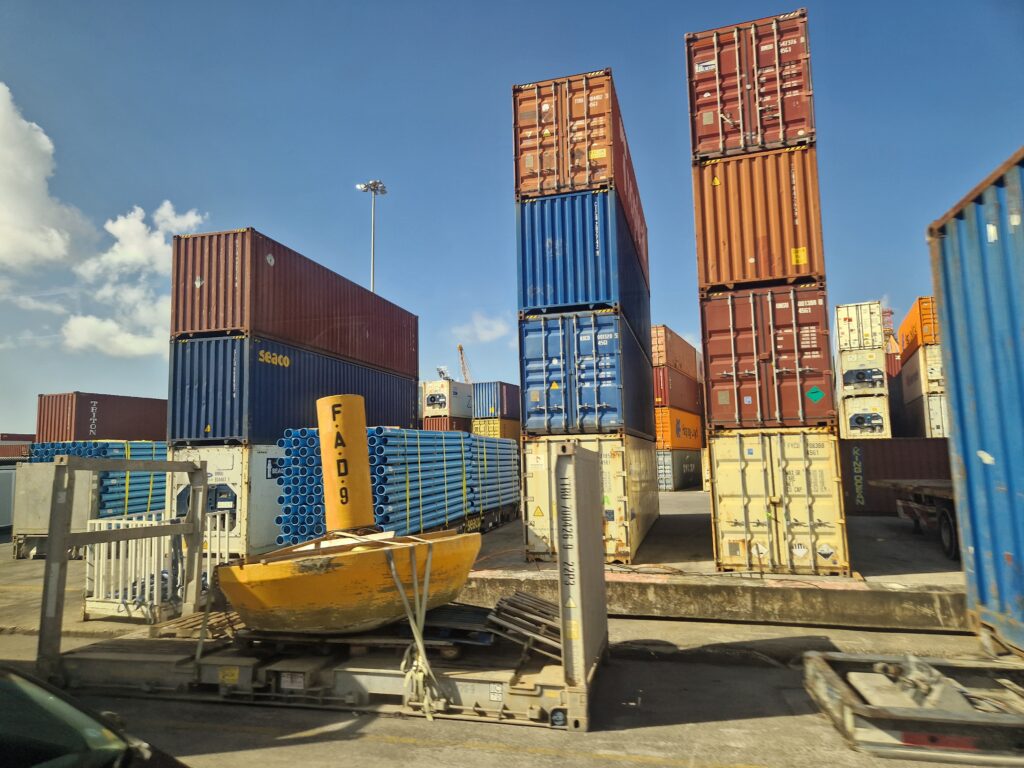
Logistics Toolkit
A toolkit to help local and national humanitarian actors (LNHAs) strengthen their logistics and supply chain management.
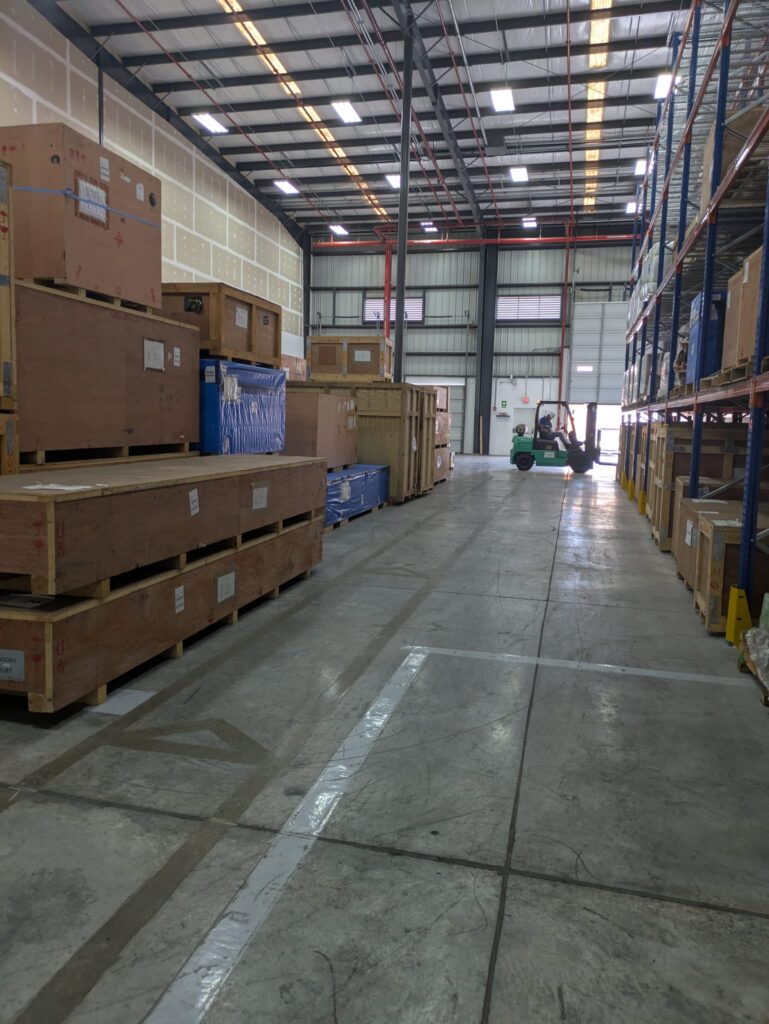
PARCEL Library
A repository of resources, reports, and guides related to logistics, capacity sharing, and local leadership
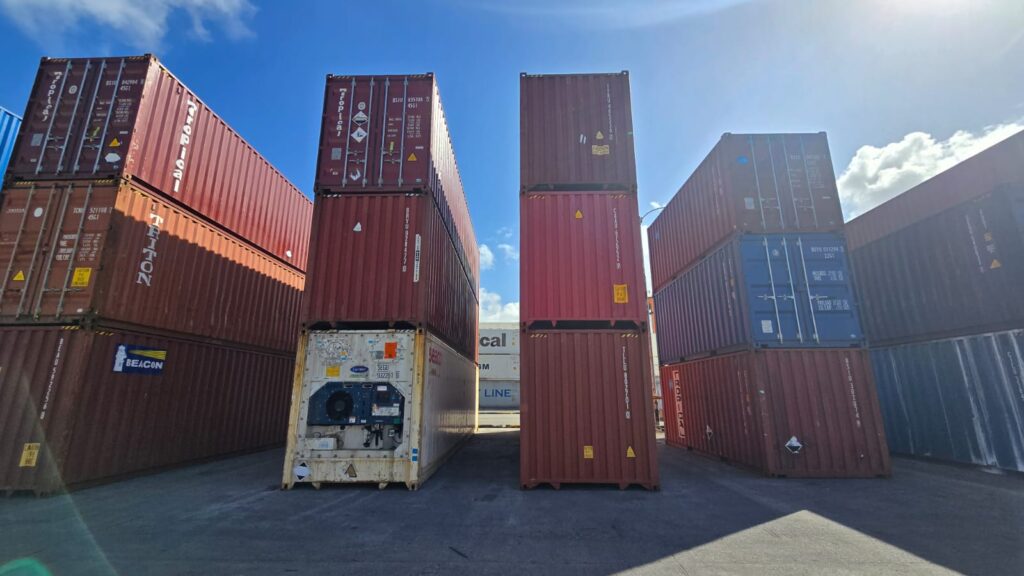
External Resources
A curated collection of tools, platforms, and communities that support logistics practitioners and emergency responders around the world.